02
Oct
Oct
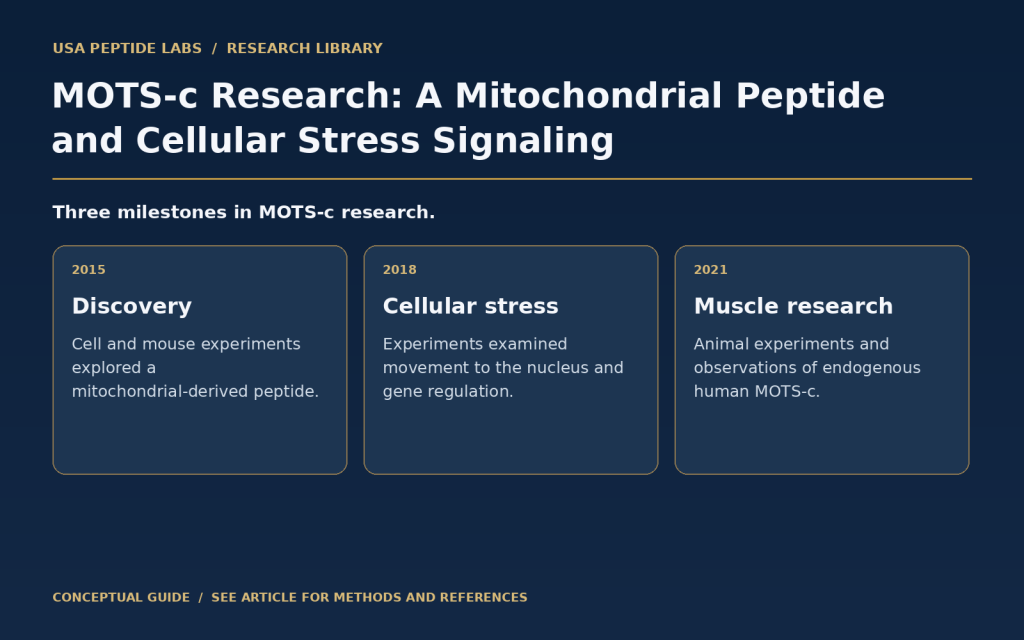
MOTS-c helped expand the scientific view of mitochondria from energy production to communication between cellular compartments.

MOTS-c helped expand the scientific view of mitochondria from energy production to communication between cellular compartments.
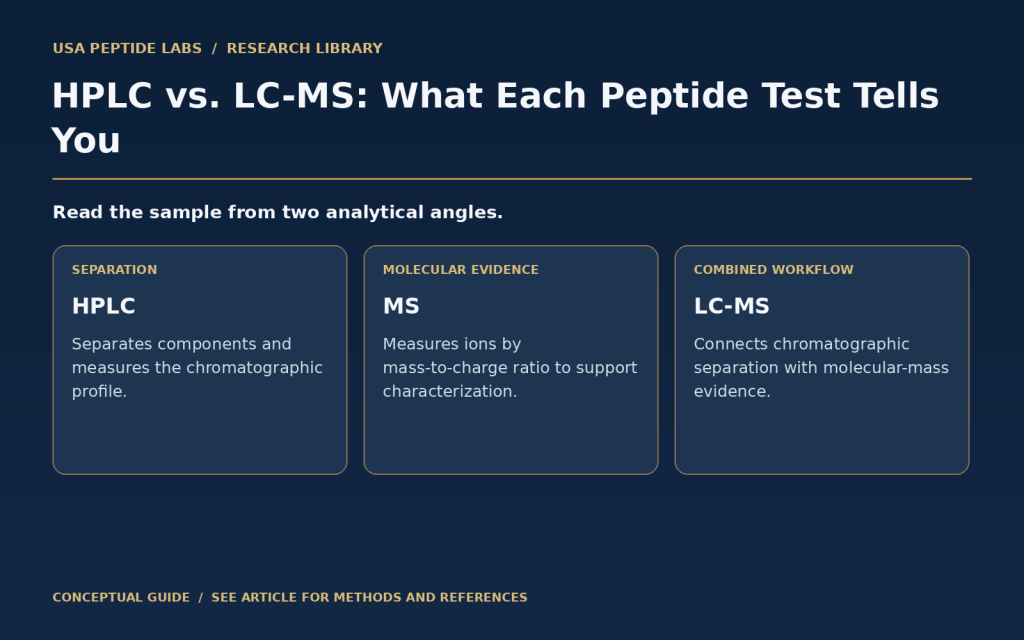
Chromatography separates the sample. Mass spectrometry adds molecular information. Together, they tell a clearer story.
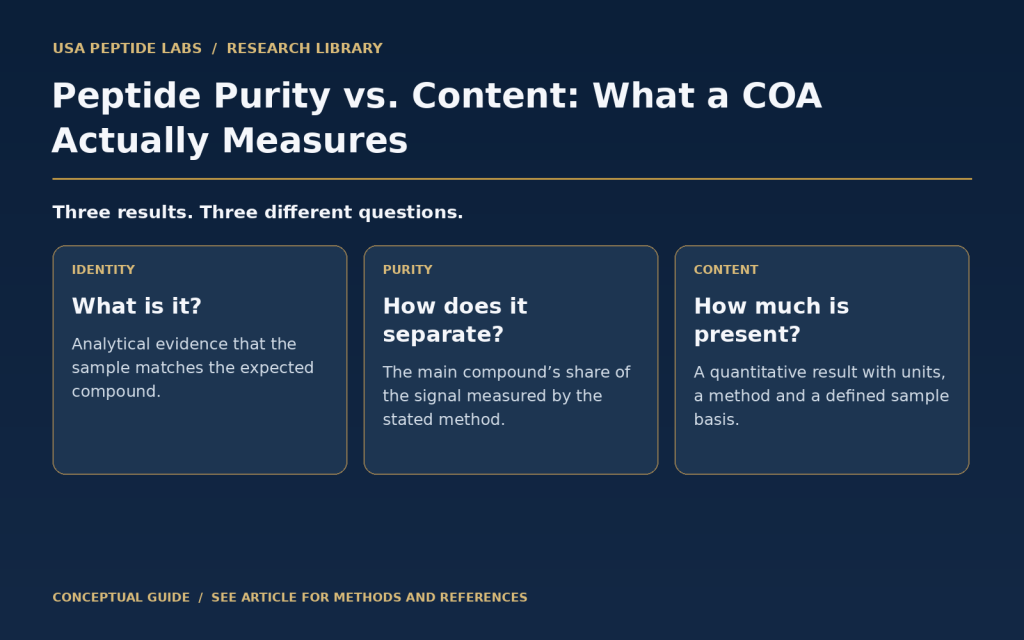
A purity percentage and a vial-content result answer different questions. Here is how to read them together.
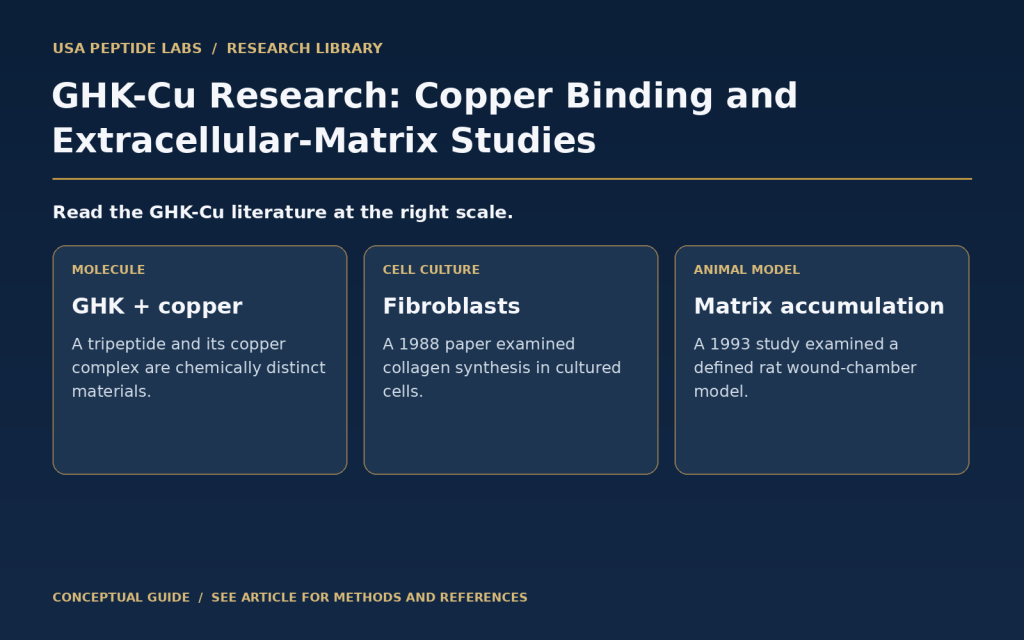
This small copper-binding peptide has a long experimental history. The study model matters as much as the headline.

For the fastest service, we recommend Order by Text. You’ll connect with a real, U.S.-based member of our team who can confirm your order, answer questions, and help you complete payment using credit card, Venmo, or Zelle. ACH bank payments remain available through our website checkout. However, online ACH payments require four business days to […]

How to Reconstitute Lyophilized Peptides If you’ve ever opened a peptide vial and wondered why it appears to contain a tiny amount of white powder—or sometimes almost nothing at all—you are looking at a lyophilized peptide. Lyophilization, also called freeze-drying, removes water from a peptide preparation so the material can be stored in a dry […]

Cold Chain & Peptide Stability: How to Store Research Peptides Peptide stability sounds complicated, but the basic principle is simple: Dry peptides are generally more stable than peptides in solution. That means storage requirements change once a lyophilized peptide has been reconstituted. Storage Rule of Thumb For most research peptides, the simple version is: Before […]

How to Read a Peptide Certificate of Analysis A Certificate of Analysis, commonly called a COA, is one of the most useful tools for evaluating a research peptide. But simply seeing the words “third-party tested” or “99% pure” does not tell the whole story. A meaningful peptide COA should help answer several different questions about […]
Choose which cookies you allow. You can change your choice at any time through the Privacy Policy link in the footer, or the cookie settings button where available.
Required for the site to function. They enable basic navigation, security, and access to secure areas. The site cannot operate without these.
Enable enhanced functionality and personalisation, such as remembering preferences, language, or live chat widgets.
Help us understand how visitors use the site by collecting and reporting information anonymously. Includes Google Analytics.
Used to track visitors across websites and display relevant adverts. Includes Google Ads, Meta Pixel, and similar advertising services. Constitutes sale or sharing of data under CCPA/CPRA — toggle off to opt out.